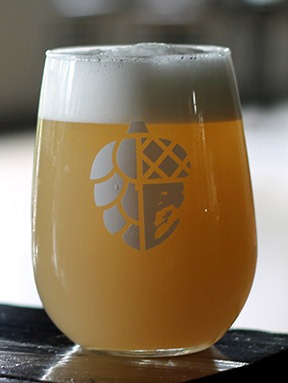
Flanders Red Ale
Flanders Red Ale
(5 gallons/19 L, all-grain) OG = 1.061 FG = ~1.008 IBU = 5 SRM = 22 ABV = ~7%
Ingredients
3 lbs. (1.4 kg) Pilsner malt
3 lbs. (1.4 kg) Vienna malt
3 lbs. (1.4 kg) Best Malz Red X® malt
1 lb. (0.45 kg) German Munich malt (6 °L)
0.5 lb. (0.23 kg) aromatic malt
0.5 lb. (0.23 kg) Caramunich® II malt
0.5 lb. (0.23 kg) Special B malt
0.5 lb. (0.23 kg) red wheat malt
1 lb. (0.45 kg) amber candi syrup (0 min.)
2 AAU Hallertau hops (30 min.) (0.5 oz./14 g at 4% alpha acids)
1 French heavy toast oak stave soaked in red wine
Imperial Yeast G02 (Kaiser) or White Labs WLP036 (Düsseldorf Alt Ale) or SafAle K-97 yeast Imperial Yeast F08 (Sour Batch Kidz) or White Labs WLP665 (Flemish Ale) blend
3⁄4 cup corn sugar (if priming)
Step by Step

This is a single infusion mash. Heat 3.75 gallons (14.2 L) of strike water to 169 °F (76 °C). Mash at 155 °F (68 °C) to 60 minutes before beginning mashout process. Collect 6.5 gallons (24.6 L) of wort and bring to a boil. Boil for 60 minutes, adding hops and candi syrup as indicated.
Chill wort, aerate, and pitch the German ale yeast (don’t pitch the blend at this time). Ferment at 62 °F (17 °C) for about 10–14 days.
When final gravity is reached and beer has settled, transfer to secondary and inoculate with the yeast/bacteria blend. Give the bugs several weeks to get their funk on before dumping the wine and adding the stave to your beer. Within as little as a few months the beer will be ready to keg or bottle!
Flanders Red Ale
(5 gallons/19 L, partial mash) OG = 1.061 FG = ~1.008 IBU = 5 SRM = 22 ABV = ~7%
Ingredients
Replace the Pilsner, Vienna, Red X®, and Munich malts in the all-grain version with 1.5 lbs. (0.68 kg) Pilsen dried malt extract, 1.5 lbs. (0.68 kg) Vienna dried malt extract, 1 lb. (0.45 kg) Munich dried malt extract, and 2 lbs. (0.9 kg) Best Malz Red X® malt. The rest of the ingredients are the same as the all-grain recipe.
Step by Step
Starting with 1.5 gallons (6 L) of water, bring temperature to 160 °F (71 °C). In a large grain bag, submerge the crushed Red X®, aromatic, and red wheat malts into the water. Hold the mash temperature at 155 °F (68 °C) for 45 minutes, then stir in the remaining crushed grains while bringing the temperature back to 155 °F (68 °C). Hold this temperature for at least 15 minutes, then wash all the grains with 1.5 gallons (5.7 L) of hot water.
Top off the kettle to 6.5 gallons (24.6 L) and stir in malt extracts while off heat until fully dissolved. Return to heat and bring wort to a boil for 60 minutes, adding hops and candi syrup according to the ingredients list. Follow the remainder of the all-grain recipe.
Tips for Success: If you haven’t saved an oak stave from a batch of wine you made, don’t fret, but you may have to start soaking it 2–3 months prior to brew day to achieve the right balance and that freshly dumped barrel taste. Place your stave in a Ziplock or vacuum seal bag and pour in about 8 oz. (235 mL) of your favorite full-bodied and tannic red wine (like a Cabernet Sauvignon). Moving it in and out of the freezer daily will help speed up the rate of extraction.
Sour beers and mixed culture fermentation are worthy of many articles and books unto themselves. This is a very simple explanation for making a sour beer. Though it consistently works well, the time to achieve your desired flavor profile may vary based on factors that are outside the scope of this article