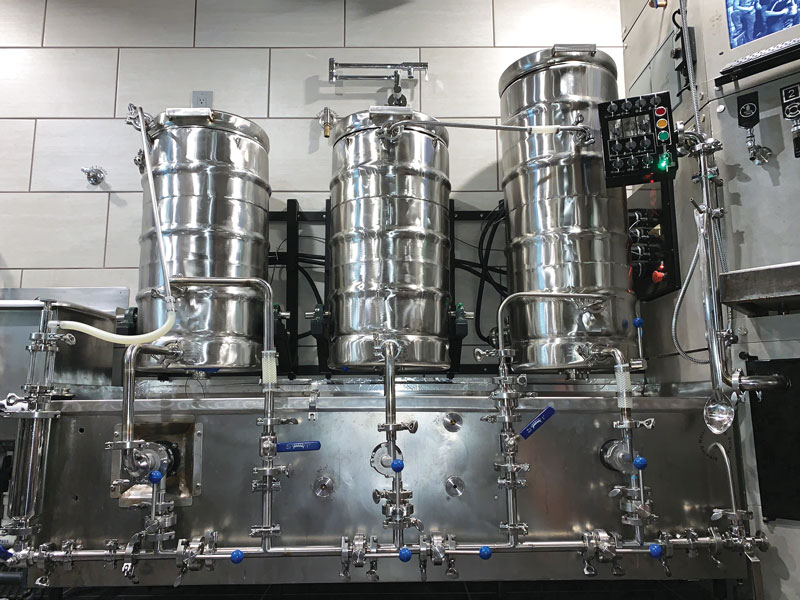
CPVC vs copper to move wort
TroubleShooting
Chad Ostram • Genesee Depot, Wisconsin asks,
I am looking to expand my homebrewery and was wondering if there are any issues with using CPVC pipes instead of copper to move my wort around. Minus the top service temperature of 200 ºF (93 ºC), are there any other issues that I should be aware of with using CPVC?
The most important thing to consider when evaluating materials of construction is product compatibility. CPVC or chlorinated polyvinyl chloride is a heat resistant type of PVC and is rated for continual exposure to water at 190 ºF (88 ºC). The main use for CPVC is hot water lines in new homes. The advantages of this type of piping are that it is easy to cut and “weld” together with liquid PVC bonding agents; it stands up to high temperatures; CPVC is a food-grade polymer; and it stands up to a wide range of brewery cleaning solutions including strong bases like caustic and acids like phosphoric acid.
I prefer rigid piping or tubing, such as copper or stainless steel, for permanently installed wort lines because these lines just feel tougher. With this personal opinion aside, I can’t think of any red flag issues concerning CPVC in the homebrewery other than the obvious — you don’t want to use this plastic with boiling wort as it’s not rated for temperatures that high. Another thing to be mindful of is keeping this material away from the flame under your wort kettle or hot water tank.