Articles
Browse Featured Articles

Make the most of your Belgian-style beers with expert advice from the brewers at Ommegang, Allagash and Boulevard.

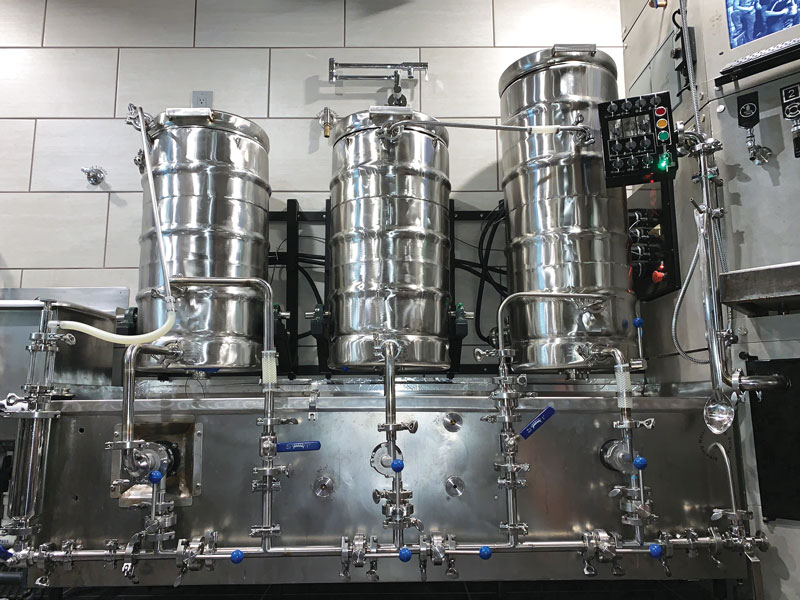
There are a handful of features that differentiate popular homebrew burners on the market today. We’ve put the most popular burner options side-by-side, so you can compare each and decide which is best to meet your needs.
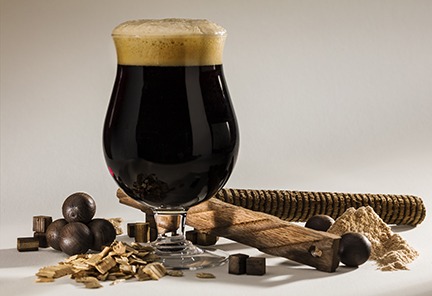
Barrel-aged beers are wonderful, but barrels are also expensive, time-consuming, and take up a lot of space. With the wide array of oak alternatives available, they are also unnecessary. Explore the alternatives to barrels.

In 2012 Chad Yakobson of Crooked Stave Artisan Beer Project in Denver, Colorado included me in an email chain of 20 Brettanomyces-and-bacteria-focused brewers. Chad’s hope was to get the group to agree
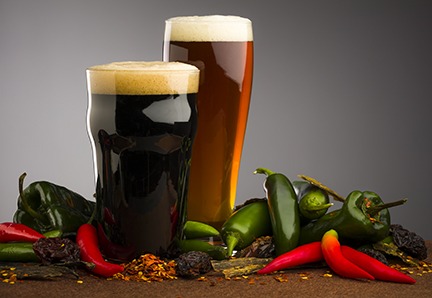
Not all pepper beers are scary hot. With such a wide range of ways they can be utilized in a recipe — not to mention the various techniques of how they can be used in brewing — peppers are a really interesting and fun ingredient to brew with.
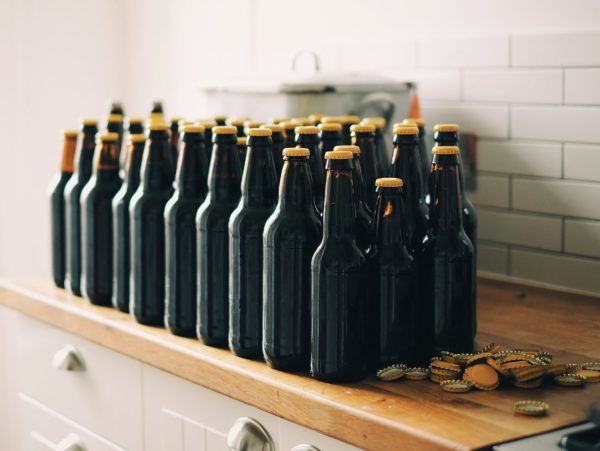
Nothing in life is as uncomfortable as getting something right and then blowing it at the end. Losing at the finish line after running a great race. Dropping a piece of pizza
Browse Articles
Topic
Gift Ideas · Recipe Exchange · Recipes · Cloning · Equipment · Lagering · Extract Brewing · Brewing Tips · Hops · Label Contest · All Grain Brewing · Yeast · Brewing History · Departments · Competitions · Food Recipes · Kegging · Build It Yourself · Beer Styles · Brewing Science · Lautering · Turning Pro · Breweries · Body · Ingredients · Winemaking · Aeration · Aging · Homebrew Stories · Mr Wizard · Recipe Calculations · Cider · Beer Evaluation · Mashing · Carbonation · Fermentation · Low Alcohol Brewing · Clarity · Head Retention · Partial Mashing · Cleaning/Sanitation · Bottling · Mead · Water · Malt · Computer Brewing · Grains · Boiling · Serving · Color · Racking · Specific Gravity · Brew On Premise · New to Brew · Nanobrewing · Live Chat Q&A · Gluten-Free · Barrels & Oak
Popular Searches
Did you ever want to do something just because someone told you it couldn't be done? A comment at a homebrew club meeting sets a homebrewer on a quest to brew an all-grain beer over 20% alcohol by volume.
To brew a great stout, you need to know your dark grains. From roasted barley and roasted malt to chocolate and Carafa malts, how to get the right flavor in your roasty brew. Plus: Guinness and Murphy's stouts cloned.
Extract brewing is not just a simplified form of all-grain brewing. It's a process that has its own set of challenges. Find out what these challenges are -- and how to master them -- without changing your whole brewing setup or spending a lot of extra time on brewday.
America’s favorite style of craft beer of late is pretty easy to name: IPA. Those three letters can sell almost anything, market analysis tells us year after year. Over time, the IPA