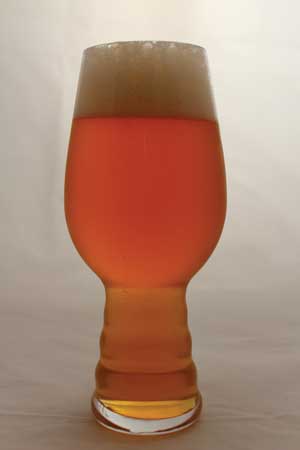
Helles: Munich’s Pale Lager
While Czech Pilsner properly gets all the credit for being the first pale lager, not everyone prefers hop-forward beers. Many — in Bavaria in general, and Munich in particular — enjoy maltier or more balanced styles, and for them, Munich helles was their everyday beer for much of the 20th century before Bavarian Pilsners and weissbiers grew in popularity.
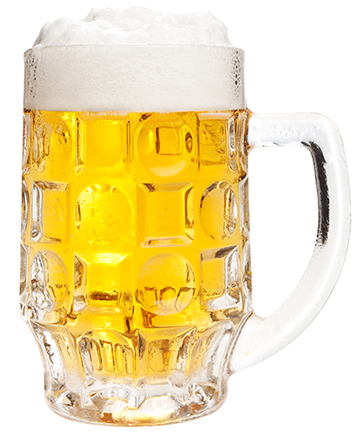
Munich helles is a golden lager that can get overlooked when compared to other German beers with stronger or richer flavors. I tend to think of it as the paler, slightly maltier version of a Vienna lager, a beer that emphasizes balance and drinkability while using high-quality ingredients. Another comparison I like to make is a slightly fuller-bodied and more malt-forward lager version of a Kölsch, with similar delicate flavors. Good company, indeed.
Munich Helles is style 4A in the Beer Judge Certification Program (BJCP) Style Guidelines, and is in the Pale Malty European Lager category along with Festbier and Helles Bock. This category is for pale-colored, malt-focused German lagers of average (Vollbier) to strong (Starkbier) strength. Munich helles is the lowest strength beer in this category, which also implies that it has a correspondingly lower total malt intensity.
History of Munich Helles
Munich helles (Münchner Hell in German) is another style with a well-documented origin story. The Spaten Brewery in Munich first brewed it in 1894 in response to the growing popularity of the pale Pilsner style. Paulaner Brewery in Munich popularized it after World War I. Other Munich breweries (Hacker-Pschorr, Löwenbräu, Hofbräuhaus) also produce the beer, with Augustiner’s Lagerbier Hell being particularly well-regarded. While outside of Munich, Weihenstephaner also produces a good example. Schönramer, closer to Austria, makes a slightly hoppier (but not more bitter) version.

Helles is kind of an everyday beer in Munich and Bavaria. In other parts of the world, some may think of it as just a pale lager, but when fresh and well made the quality and flavor is evident. It serves as a pale alternative to the darker, richer, often sweeter dunkel of the area. It also is the basis of pale kellerbiers and other more rustic pale lagers in northern parts of Bavaria. Modern craft versions seem somewhat rare, although breweries specializing in lagers often have one.
Sensory Profile
Munich helles is a standard-strength, gold-colored, continental lager beer of around 5% ABV. It should not have an alcohol edge, or be as strong as a festbier or helles bock. The color can range from a pale yellow to a pale gold — basically, a little darker than most Pilsners but not approaching amber. Like most lagers, it should be bright and clear, and have a large, persistent head — in this case, pure white in color. The body is typically medium, not too thin, but also not heavy, with a moderate carbonation and a smooth mouthfeel.
Continental Pilsner malt should be the dominant malt flavor, giving a slightly grainy-sweet malt flavor often with a very soft graham cracker-like honey-toast accent. The finish should be dry, but the lower level of bitterness should allow the maltiness to remain dominant through the finish. Some may interpret this as sweetness, but the final gravity of these beers is typically fairly low. When updating the style definition in 2015, I found a lab analysis of commercial German examples showing almost all of them were less than 1.010, which surprised me.
While the beer should have a malty balance and finish, it should be dry with a moderate body, indicating there should be some residual dextrins and proteins present. As with Kölsch, a fresh taste to the ingredients and a soft finish is desirable. As a lager, it should have a clean fermentation character and smooth texture. The hop flavor and aroma are low to medium-low, noticeable but not dominant, and features traditional German noble hops with floral, herbal, or spicy notes.
I judged the medal round of this style at last year’s Great American Beer Festival, so I have some comments about common mistakes with this style. Obviously, it needs to have the profile I just mentioned: Pilsner malt flavor, malty balance, fresh, dry but soft finish, clean yeast character, light noble hop flavor. Other errors included: Making it too thin or dry, seeming like a Pilsner; being too bitter or too hoppy; having a minerally, hard finish; having yeast problems, including being too estery; having too much or the wrong malt flavors (usually too toasty or biscuity); being boozy or harsh; being too sweet (too much residual extract); and finally, the bane of most commercial beers, being oxidized or stale.

I mention these common faults because I think it helps brewers sort of steer back into their stylistic lane when brewing. When judging beers to style, the ones with obvious faults get thrown out first, while the ones with a decent balance and no technical flaws remain. At that point, the quality and freshness usually start to win out, with well-fermented and well-handled beers having an edge.
Munich Helles Brewing Ingredients and Methods
Recipes for this style are fairly straightforward in design. Choose continental Pilsner malt, traditional German hops, and a clean German lager yeast and you will be in the right ballpark. The details matter a bit more when it comes to crafting examples that stand out compared to others, so let me explore those nuances.
German Pilsner malt should be most, if not all, of the grist. However, this is where some brewers make mistakes. In their desire to get more malt flavor, they sometimes choose malt with too much flavor. If you start tasting noticeably toasted flavors or those with too much of a nutty or biscuity note, you probably are using the wrong malt. If you get a little bit of that honeyed graham cracker flavor, that is fine. If you are getting a neutral or overly grainy malt flavor, you probably need a bit more character. I normally select a quality malt from a reputable German maltster using continental Pilsner malt, although I would also use Belgian or French malt in a pinch. It is not necessary to use fancy heirloom malt varieties or floor-malted grains, as these often have too much flavor for the style.
Munich Helles was traditionally made with a decoction mash, but most Germans are using a step mash now to save time and energy. I don’t really want the full color and flavor development from a decoction process anyway, but I often will slip in a little bit of character malt (like Munich or aromatic) to increase the malt flavor, while using a more dextrinous malt (like Carapils® or a pale crystal malt that is 20 Lovibond or less) for body and residual sweetness. All of these will help give a deeper color as well, as long as kept to a lower percentage of the grist. Kunze in Technology Brewing & Malting suggests 95% pale (Pilsner) malt and 5% Carahell® malt. The important goal is to emphasize the malt flavor while giving it more color and a softer finish than a Pilsner beer. Using a mix of malts can also make your beer stand out from other beers with a more mundane grist.
Traditional German noble hops like Hallertauer or Tettnanger are commonly used, but not in Pilsner-like doses. The bittering level is usually noticeable, above sensory threshold, but not by much. The balance in the dry finish should remain malty, so hops should be used with restraint. Likewise, flavor and aroma hops shouldn’t get above medium-low intensity, but the maltiness of the base should be taken into consideration. If you can’t source fresh German hops, domestic hops that have a similar profile are acceptable.
A clean German lager yeast with low ester and sulfur production is called for, and I often go further in choosing those that leave a maltier impression. Traditional German lager fermentation and lagering processes should be used, avoiding developing esters during fermentation and producing a smooth character through lagering.
The water character typically doesn’t have sulfates in it either, but the Munich water profile is known for having moderate carbonates, which traditional brewers address through the use of acid malt. My assessment is that the finished beer profile does not include a noticeable water or mineral character.
With a relatively simple recipe and few ingredients, I will say again that quality matters. I find that fresh, authentic ingredients produce superior results, so I try to find the best materials I can.
Helles Homebrew Example
My recipe is fairly conventional, with just a few tweaks to the malt bill and yeast choice to boost maltiness, which is something I typically would do in competition since the malt character is one of the most important aspects of the style. I start with good German Pilsner malt, but I add in some Munich malt for extra maltiness, as well as a touch of aromatic malt and Carahell® malt for the richer flavor, body, and color. I don’t want these added ingredients to have a high percentage of the grist, as they are adding character, not driving the style.
I’m using a step mash, which helps me get a well attenuated beer, while relying on the malt bill for some extra fullness. The water profile is my usual RO water with a little calcium chloride, which tends to favor malty beers by giving a fuller (some say wetter, although I personally find that word confusing) mouthfeel. Avoiding sulfates, keeping the bitterness low, and adding a bit more dextrins gives a softer finish to the beer, which is something I find desirable. If you want to make this as a single infusion beer, try mashing around 149 °F (65 °C).
I’m calling for Vanguard hops, which I can usually find quite fresh. They are a domestic Hallertauer substitute, so feel free to use those German hops instead if you can source them. Since the hops are not a major part of the style, I don’t think the variety is critical. Just get fresh hops that have a traditional German character, as old, oxidized hops will mar the finished profile.
My yeast choice is the maltiest yeast I typically use, the White Labs WLP833 (German Bock) yeast from Ayinger, a Munich-area brewery. That’s also available as a seasonal release from Wyeast as 2487 (Hella Bock Lager). If this isn’t available, Wyeast 2124 (Bohemian Lager)/White Labs WLP830 (German Lager) is a good choice, as is the dry SafLager W-34/70 yeast. None of these yeasts produce a lot of sulfur, and if the fermentation and lagering regimen is followed, there shouldn’t be esters either. I call for a two-month lagering period, but that could probably be shortened by a couple weeks if you like. I often extend it to three months without any problems, as this is the historical German approach.
Your goal here is to have a malty, smooth, golden lager with a light hop touch and a dry but soft finish. The aftertaste should be mostly of malt, but the smoothness of the lager should be evident as you drink it. This beer shouldn’t require a lot of contemplation, except to think about how big a glass to use.
Munich Helles, All-Grain
(5 gallons/19 L, all-grain)
OG = 1.049 FG = 1.011
IBU = 18 SRM = 5 ABV = 5%
Ingredients
8.5 lbs. (3.9 kg) German Pilsner malt
1.25 lbs. (567 g) Munich malt
4 oz. (113 g) aromatic malt
2 oz. (57 g) Carahell® malt
1.3 AAU Vanguard hops (FWH) (0.25 oz./7 g at 5.2% alpha acids)
3.9 AAU Vanguard hops (60 min.) (0.75 oz./21 g at 5.2% alpha acids)
White Labs WLP833 (German Bock), Wyeast 2124 (Bohemian Lager), or SafLager W-34/70 yeast
3⁄4 cup corn sugar (for priming)
Step by Step
This recipe uses reverse osmosis (RO) water. Adjust all brewing water to a pH of 5.5 using phosphoric acid. Add 1 tsp. of calcium chloride to the mash.
This recipe uses a step mash. Use enough water to have a moderately thick mash (1.5 qts./lb.). Mash in the Pilsner, Munich, and aromatic malts at 131 °F (55 °C) and hold for 10 minutes. Raise the temperature to 145 °F (63 °C) and hold for 40 minutes. Raise the temperature to 158 °F (70 °C) and hold for 20 minutes. Begin recirculating, add the Carahell® malt, raise the mash temperature to 169 °F (76 °C), and recirculate for 15 minutes.
Sparge slowly and collect 6.5 gallons (24.5 L) of wort.
Boil the wort for 90 minutes, adding hops at the times indicated in the recipe. The first wort hops (FWH) go in the kettle before lautering.
Chill the wort to 50 °F (10 °C), pitch the yeast, and ferment until complete. Rack to a secondary and lager for two months at 32 °F (0 °C).
Rack the beer, prime and bottle condition, or keg and force carbonate as usual.
Munich Helles, Extract with Grains
(5 gallons/19 L, extract with grains)
OG = 1.049 FG = 1.011
IBU = 18 SRM = 5 ABV = 5%
Ingredients
4.5 lbs. (2 kg) light dried malt extract
1.1 lbs. (0.5 kg) Munich liquid malt extract
2 oz. (57 g) Carahell® malt
1.3 AAU Vanguard hops (FWH) (0.25 oz./7 g at 5.2% alpha acids)
3.9 AAU Vanguard hops (60 min.) (0.75 oz./21 g at 5.2% alpha acids)
White Labs WLP833 (German Bock), Wyeast 2124 (Bohemian Lager), or SafLager W-34/70 yeast
3⁄4 cup corn sugar (for priming)
Step by Step
Use 6.5 gallons (24.5 L) of water in the brew kettle; heat to 158 °F (70 °C).
Turn off the heat. Add the Carahell® malt in a mesh bag and steep for 30 minutes. Remove and rinse grains gently.
Add the malt extracts and stir thoroughly to dissolve completely. Turn the heat back on, add the first wort hops (FWH), and bring to a boil.
Boil the wort for 60 minutes, adding hops at the times indicated.
Chill the wort to 50 °F (10 °C), pitch the yeast, and ferment until complete. Rack to a secondary and lager for two months at 32 °F (0 °C).
Rack the beer, prime and bottle condition, or keg and force carbonate as usual.
More on Munich Helles
•Brewing a well-made helles is the ultimate test of skill. The recipe may be simple but the execution is challenging with no place to hide any flaws. BYOTechnical Editor Ashton Lewis offers advice in this BYO+ video on the subject.
•Don’t have months to wait for your helles to finish? Speed up your lagering methods so you can brew these beers for consumption in about the amount of time as ales.