
Big Ideas for Small-Scale Craft Brewing: Don’t Miss a Full-Day of 10 Live Online Seminars at the 2026 NanoCon. Register now and Save 25%!

May / June 2026

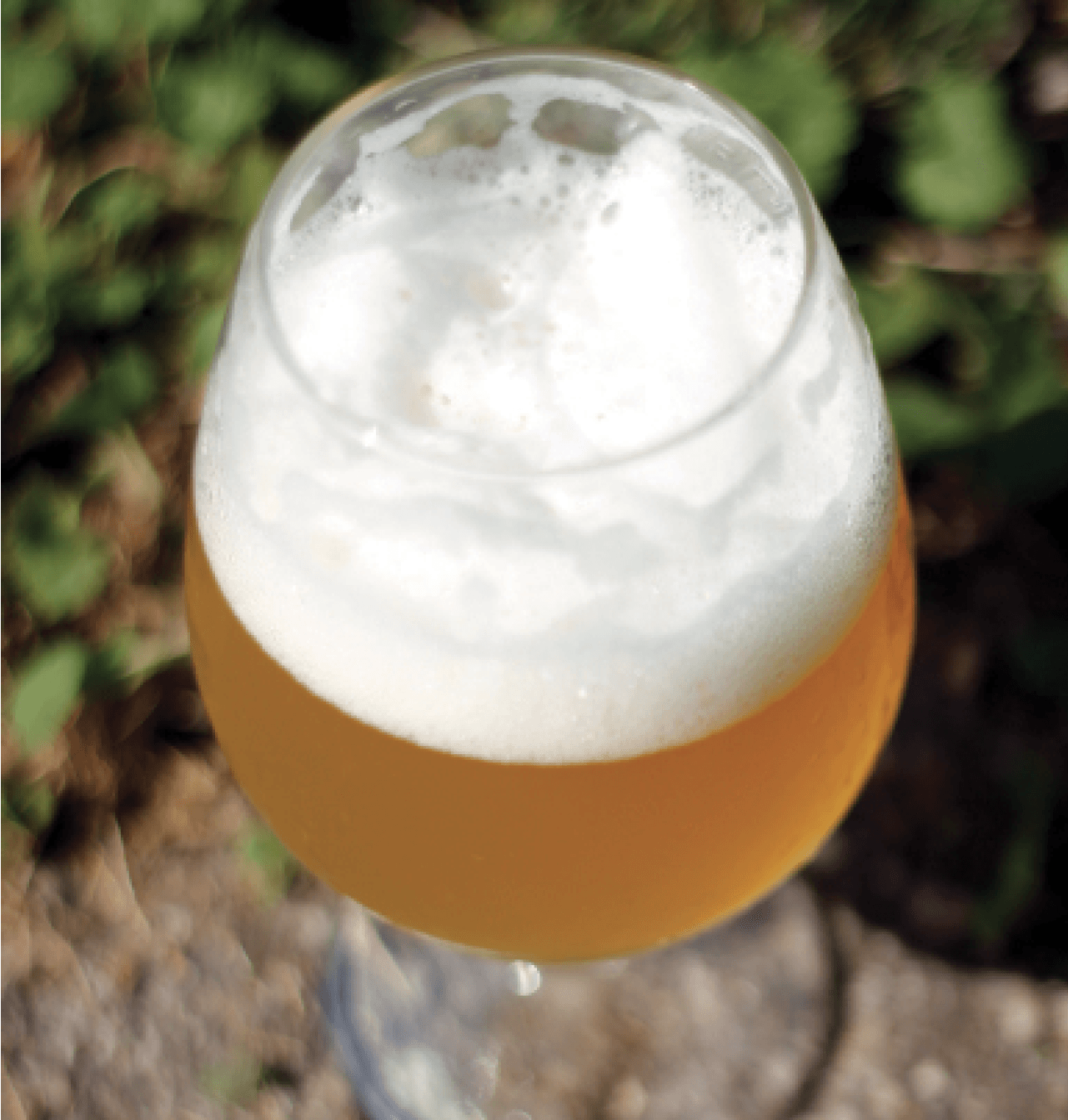
Saison is a Belgian farmhouse beer style known for its phenolic yeast character, but brewing a great one requires a lot more than the right yeast. Learn how to brew this unique, hard-to-define style, and find clone recipes for some of the best commercial examples. Plus: Fermented foods, Munich helles, low-ABV meads, adjusting pH with sauergut, and more!

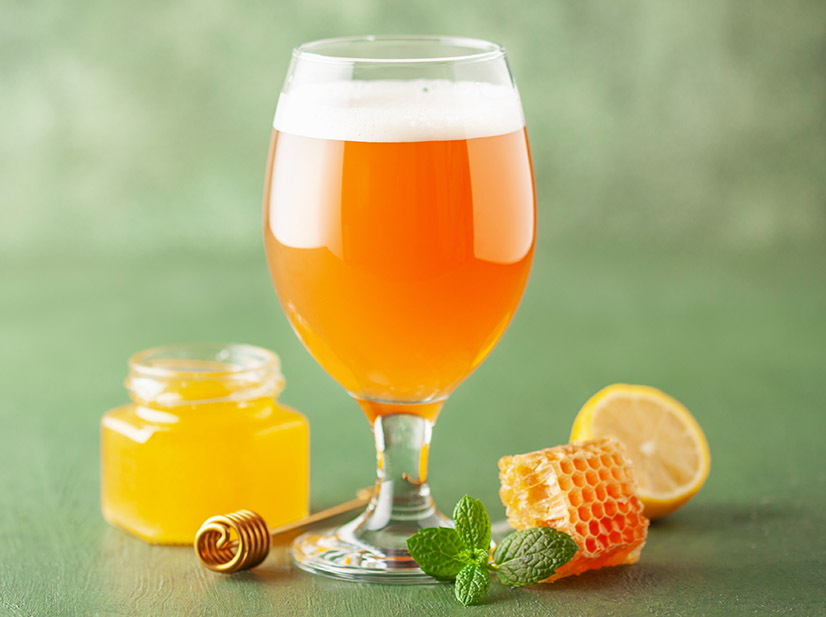
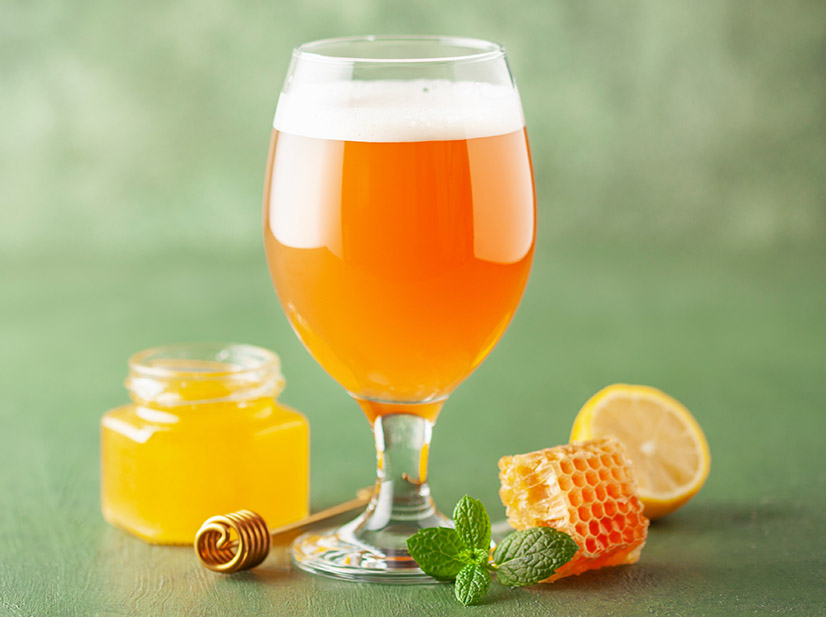
Session meads are quick and fun to make, and less expensive than traditional meads.

In this issue

  • article

    From Farmhouse to Brewhouse: Saison

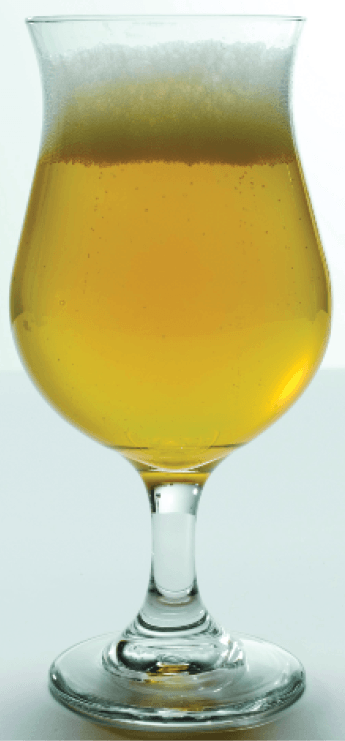
    Saison is a beer style that is hard to pin down. It can be brewed with different ingredients, vary in color, be sour or not, and there are many yeast strains recommended for the style. Though they have commonalities from complexity, flavors of spice and earth, and finishing extremely dry with lots of carbonation. Drew Beechum explores what makes a saison a saison and, more importantly, how to brew a great one.
  • article

    Saison Recipes From Around the World

    We’ve picked six of the top saisons brewed around the world, including ones from Belgium, France, and the U.S., and have gotten the brewers to share their tips and recipes for replicating them.

  • article

    Ferment What You Eat

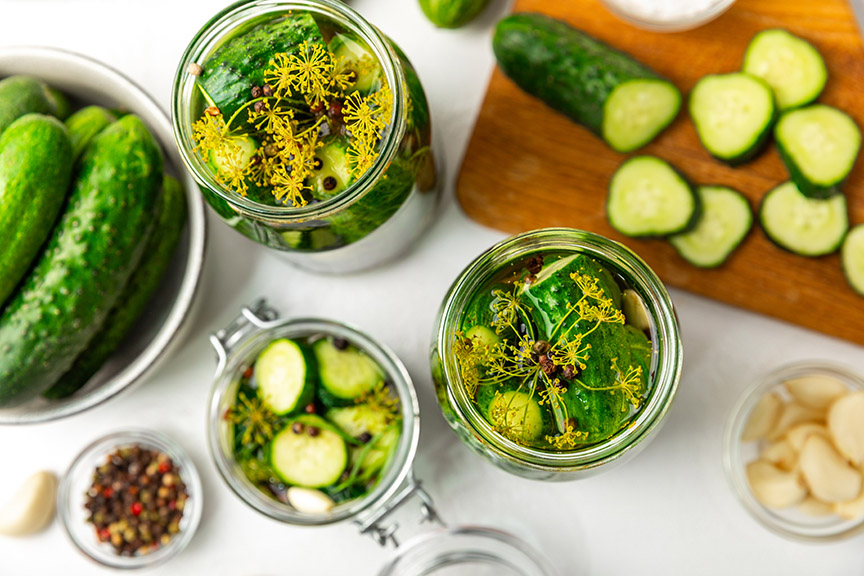
    Beer and other beverages aren’t the only things you can ferment at home. We outline the essential equipment and techniques to help you get started with fermented foods, with recipes for pickles, sauerkraut, and hot sauce.

  • article

    Brewing Hydromel Meads

    Not all mead has to be over 12% ABV. Hydromels are more similar to your average beer strength, making them a great mead to have around. They’re also less expensive and quicker to make!

  • article

    Helles: Munich’s Pale Lager

    For those seeking a light, easy-drinking, malty yet balanced beer style perfect for the summer, look no further than Munich helles. The recipe can be as basic as a single malt and single hop, or be a bit more complex if you want it to stand out.

  • article

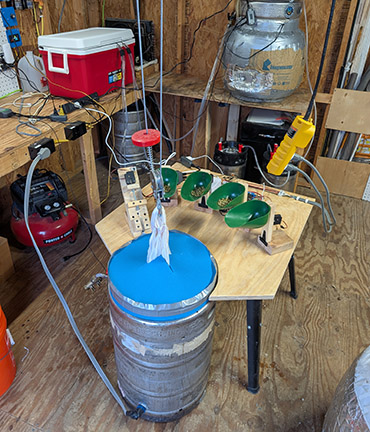
    The AutoBrewer

    A homebrewer shares his invention that allows him to keep brewing all-grain batches while also not missing out on spending time with his family on the weekends. After setting up the AutoBrewer, he’s able to walk away and come back when the brew day is complete to clean up.

  • article

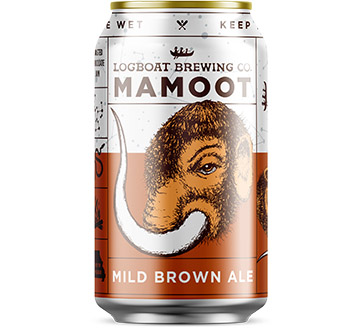
    Logboat Brewing Co.

    Logboat Brewing Co.’s head brewer stresses the importance of cleanliness, proper pitch rate, and temperature control when brewing their mild brown ale that has been a staple at the brewery since opening in 2014.

  • article

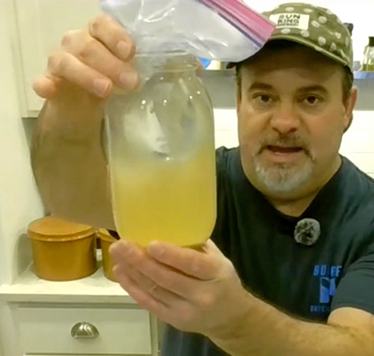
    Adjust pH with Sauergut

    Malt is covered with Lactobacillus, which means you can use it to make a Lactobacillus starter to adjust your mash or boil pH. This practice of creating sauergut is common in Germany as it adheres to the Reinheitsgebot. But there are other benefits beyond meeting Germany’s Beer Purity Law that homebrewers may want to consider.

  • article

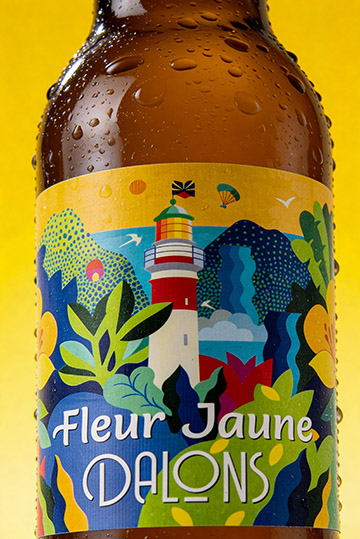
    Discovering Yeast in Paradise

    Brewing ingredients are more expensive when you brew beer on an island. One way to cut costs is to use ingredients native to the land, including yeast. Learn how a brewery on the French island of La Réunion isolated a strain with great brewing characteristics that has since been brought to market across Europe and beyond.

  • recipe

    Base Hydromel

    It really doesn’t get any simpler than this. From start to finish, you can get this mead rolling in 20 minutes, and that includes sanitizing the fermenter!

  • recipe

    Blueberry Lemon Hydromel

    This recipe is from Danny Stahl, a member of the Maltose Falcons. The resulting mead is approachable and dangerously drinkable.

  • recipe

    Logboat Brewing Co.’s Mamoot clone

    This mild brown ale became a day-one staple, and one of four beers in the Logboat’s core lineup when it opened in 2014. 

  • recipe

    Fermented Sauerkraut

    One small cabbage and some salt will create a quart of delicious fermented sauerkraut.

  • recipe

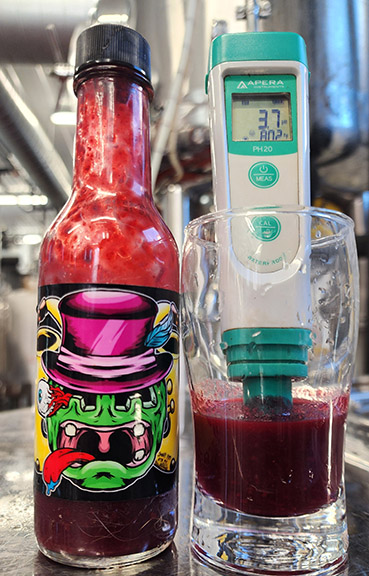
    Fermented Hot Sauce (Two Ways)

    Ferment your own hot sauce with a basic recipe using your favorite hot peppers, or a habanero berry sauce with zing.

  • recipe

    Brasserie Thiriez’s Étoile du Nord clone

    Founder Daniel Thiriez started his brewery with one thing in mind — to bring farmhouse brewing back to France and French Flanders in particular.

  • recipe

    Scratch Brewing Co.’s Wild Carrot and Nettle clone

    A saison recipe with foraged nettle greens and wild carrot.

  • recipe

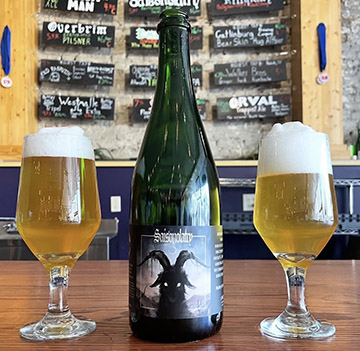
    Little Animals Beer Project’s Saisonolatry clone

    Saisonolatry is a traditional saison utilizing two dry yeasts to get a unique flavor.

  • recipe

    Gordon Strong’s Munich Helles

    My recipe is fairly conventional, with just a few tweaks to the malt bill and yeast choice to boost maltiness.

  • recipe

    Table Saison Recipe

    An approachable, everyday saison.

  • recipe

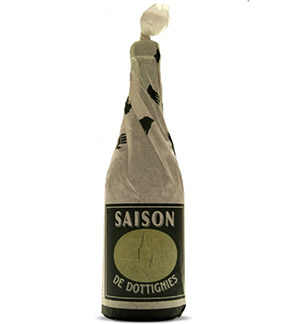
    Brasserie De Ranke’s Saison de Dottignies clone

    Brasserie de Ranke helped bring back bitterness and hops to Belgian beer.

  • recipe

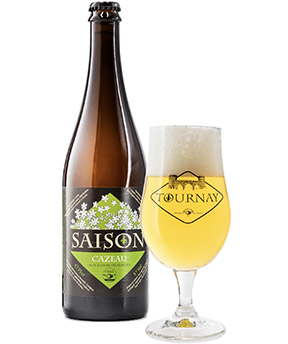
    Brasserie De Cazeau’s Saison De Cazeau clone

    A seemingly simple saison brewed with elderflowers that is amazing in its depth and complexity.

  • recipe

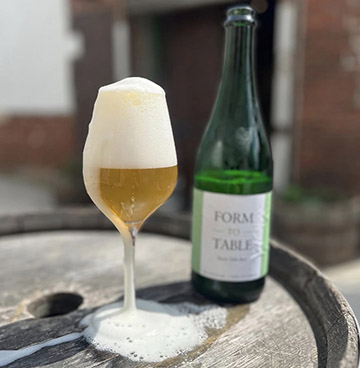
    Fermentory Form’s Form To Table clone

    Fermentory Form falls squarely in the “American Farmhouse” category by barrel aging to give just a bit of wild yeast character and complexity. 

  • recipe

    Summer Saison Recipe

    An 8.5% ABV saison with coriander, orange peel, and black pepper additions.

  • recipe

    Hoppy Saison Recipe

    A hoppier saison inspired by De Ranke.

  • recipe

    Tripel Saison Recipe

    A high-ABV saison that borders on the edge of a Belgian tripel.

  • recipe

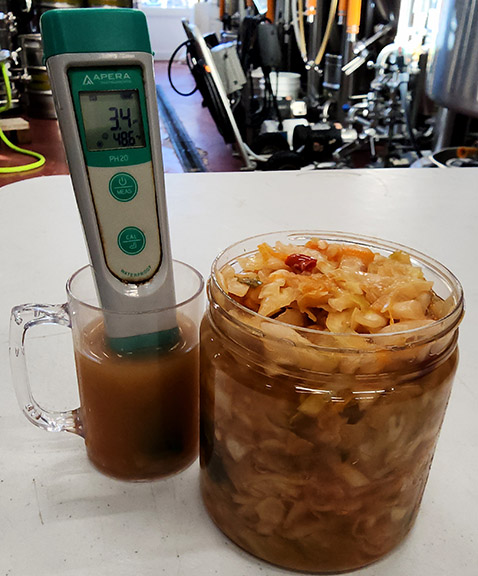
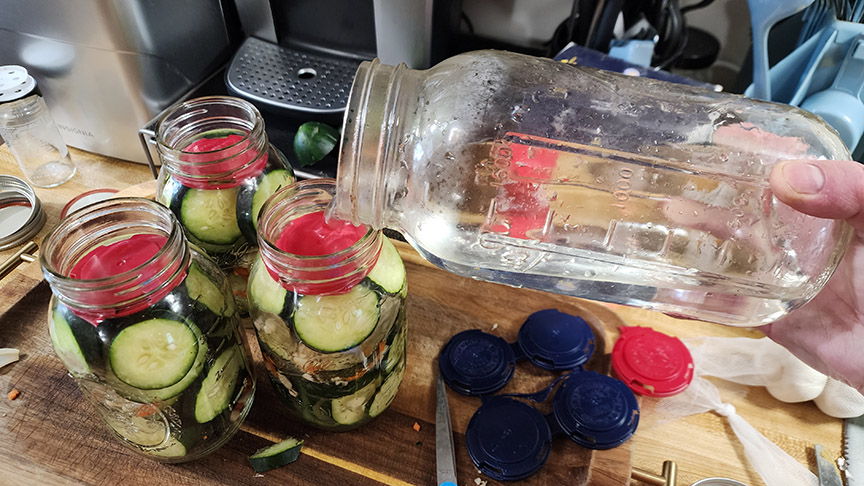
    Fermented Pickles Recipe

    By day 3 or 4 the pH should be below the 4.0 safety threshold, and by day 5 with a pH of around 3.3–3.6.

  • Orange question mark over a beer Mr. Wizard logo.
    mr-wizard

    Recreating IPAs from the ’80s

    I want to brew an IPA with pronounced floral flavors as I remember them being in the 1980s.

  • Orange question mark over a beer Mr. Wizard logo.
    mr-wizard

    Importance of pH

    There is a lot to digest with pH. Here is what homebrewers need to know to brew great beer without going overboard with lab work.

  • Orange question mark over a beer Mr. Wizard logo.
    mr-wizard

    Questioning dip hop advice

    Do you really need to flush the fermenter with CO2 before adding wort to dip hops? Why can’t the hops be agitated?