Big Ideas for Small-Scale Craft Brewing: Don’t Miss a Full-Day of 10 Live Online Seminars at the 2026 NanoCon. Register now and Save 25%!

September / October 2026

Understanding the science behind why certain flavor combinations work so well will help you formulate better homebrew recipes. Plus: Brewing double IPAs, clear beers, and 100% chestnut beer, building a Peltier-cooled conical, keeping your draft lines clean, and more!

In this issue

  • article

    The Flavor Network Behind Your Best Brews

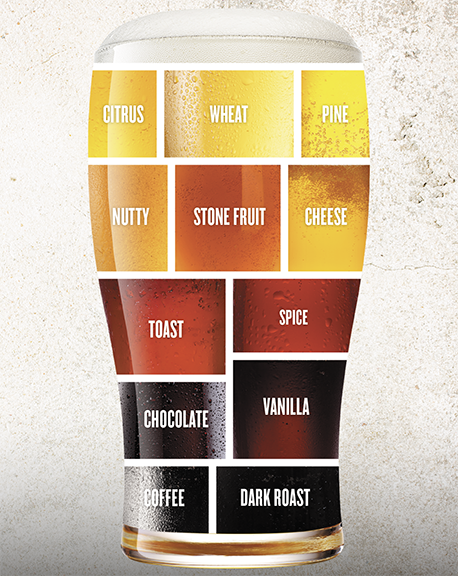
    There is science behind why certain flavor combinations work so well, and it turns out the primary ingredients in beer are uniquely suited for creative brewing through an overlap of many flavor categories. We dig into the science of flavors and how to use it when developing homebrew recipes.
  • article

    Beyond Barley: Brewing 100% Chestnut Beer

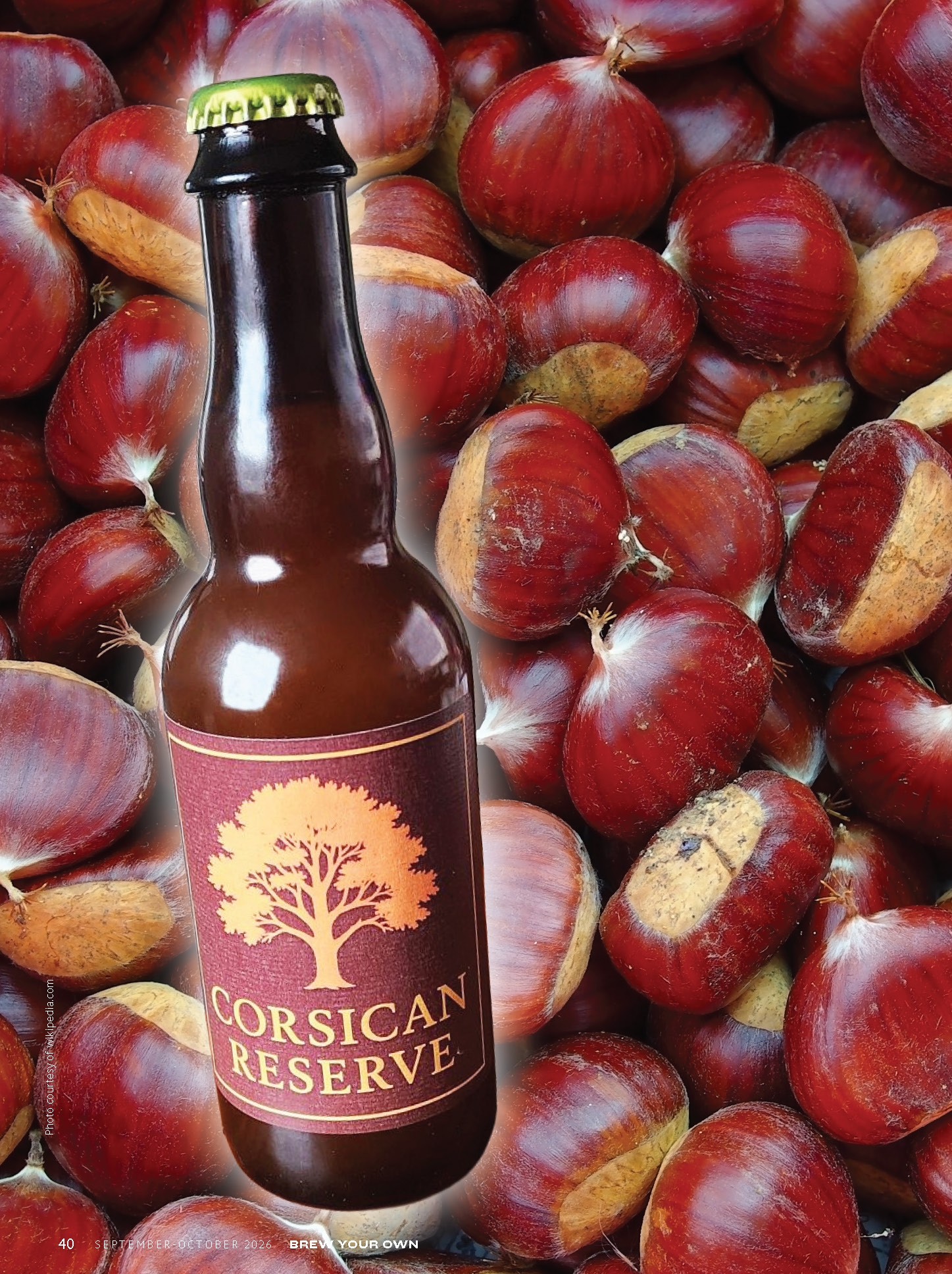
    Nuts are sometimes used as adjuncts to provide flavor to beer, but what would happen if you tried brewing a beer entirely from them? A creative homebrewer did just that, brewing a 100% chestnut beer with the help of enzymes to break down starches.

  • article

    Build a Better Peltier-Cooled Conical

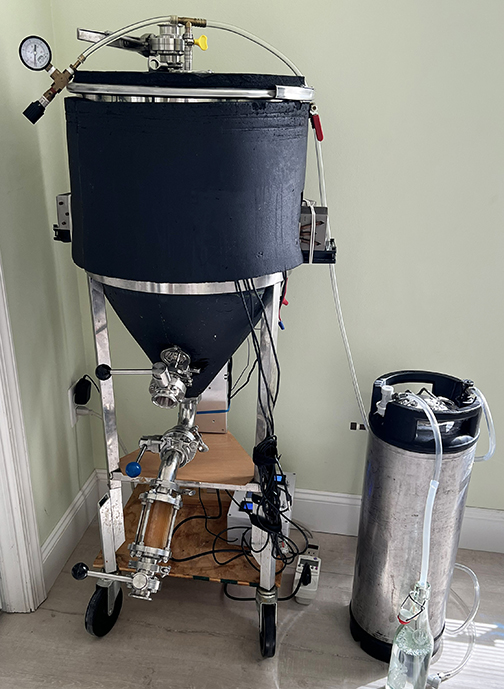
    Get advice to build your own Peltier conical cooling system, which uses thermoelectric cooler Peltier chips to keep the fermenter at a set temperature. The design saves space and electricity compared to many options.

  • article

    The Best Beer Beneath Kilimanjaro

    Two homebrewers sought a refreshing beer after ascending Mt. Kilimanjaro and stumbled upon the only craft brewery in the area. Beer connected the hikers and one-barrel brewer like no other hobby can.

  • article

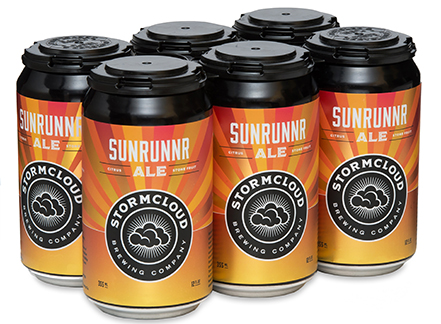
    Stormcloud Brewing Co.

    Some beers don’t fit into a defined beer style. That’s the case with Stormcloud’s Sunrunnr, which is labeled a witbier, but relies on kveik yeast to produce all of the flavors usually contributed by orange peel and coriander.

  • article

    Draft Upkeep

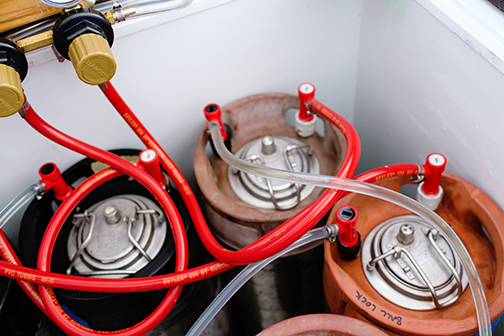
    Sure, serving beer on draft means you don’t need to clean bottles for every batch of homebrew, but it doesn’t mean there is no necessary cleaning. Learn the best methods to keep your draft beer pouring clean.

  • article

    Techniques for Beer Clarity

    If clear beer is the goal (and for certain styles it should be!) there are many things a brewer can do to get there. Finings and filtering are some of the most obvious, but neither is required to make clear beer. Instead, the first step begins with recipe design and is followed by careful technique.

  • article

    Double IPA: Twice the Fun

    You don’t generally double any of the ingredients in an IPA recipe to make a double IPA, but you do dial up the intensity. Learn what separates double IPA from IPA, or even barleywine, and how to make a great one at home.

  • article

    Dad’s Homebrews

    A longtime homebrewer shares his earliest memories of the hobby, which were of his father and uncle brewing beer at home in the 1960s. Those brews were a lot simpler — mixing hopped malt extract, sugar, and bread yeast with water in a fermenter — but it still resulted in beer the adults enjoyed. There are lessons to be learned from how simple the hobby can be.

  • recipe

    Stormcloud Brewing Co.’s Sunrunnr clone

    Marketed as a witbier, Sunrunnr does not include the traditional witbier spices. It instead relies on yeast to contribute wit-like flavors in this unique ale that pairs perfectly with summer sun.

  • recipe

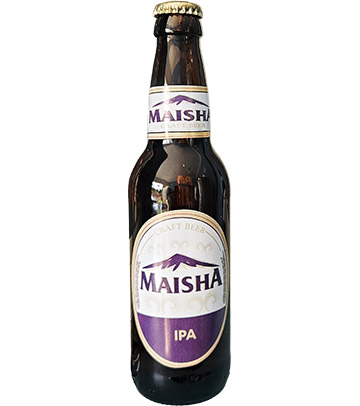
    Maisha IPA clone

    “The Best IPA in Tanzania.”

  • recipe

    Chestnut Beer

    With the help of enzymes to convert starches, this beer is made with no grains, but instead 100% chestnuts.

  • recipe

    Gordon Strong’s Double IPA

    This DIPA captures the drinkability of the style while showcasing the hops. It is not extreme, but delivers the bitterness and alcohol that the style demands.

  • Orange question mark over a beer Mr. Wizard logo.
    mr-wizard

    Conditioning Prior to Cold Crashing

    How long should you allow beer to condition prior to cold crashing?

  • Orange question mark over a beer Mr. Wizard logo.
    mr-wizard

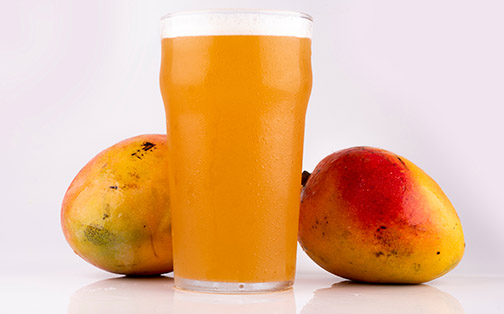
    Dry vs. Fresh Fruit

    The pros and cons of using dried fruits vs. fresh fruit in your brewing.

  • Orange question mark over a beer Mr. Wizard logo.
    mr-wizard

    Making Makgeolli

    In Korean, the word makgeolli loosely translates to “roughly filtered” and describes a fermented beverage made from rice, water, and nuruk.

Continue reading – Enter your email to log in or register

New to Brew Your Own? Create a free account to get our weekly newsletter and two free article webpage visits every month.

Yes! I would like to receive new content and updates.